
Featured

Event Planning: What is it and How to Manage? – The Complete Guide to Successful Event Planning

From planning a birthday party to hosting a business meeting, everyone has some sort of event management experience. Event planning agencies need to ensure that everything is in the right order and perfect as per the plan. For that, you need to pay attention even to the smallest details before, during, and after the event. It involves managing people from fields with following deadlines and priorities. The smallest mistake is enough to spoil your credibility as an Event Management Planner. So, it is a very serious matter of task, whereas a planner like Nakul Chetiwal has to remain always diligent. Still, many do not have a clear idea about Event Planning Service. This blog is going to give you a clear idea about what event planning is and what it takes to arrange a successful event.

What is Event Planning?

Event planning is the name of the process that includes all the details and logistics of an event of varied size, complexity, and purpose, like a business promotion or corporate event. It can be virtual, in-person, or hybrid. It takes a lot of time as well as effort to manage an event while communicating with numerous teams. The event Management System contains things to do like event sponsors, event marketing, venue sourcing, event branding, and more.

Event planning starts with defining the objective that the sponsoring organization wants to accomplish. Organizers handle multiple tasks like arranging the food, budgeting, establishing timelines, decorating, and managing risk to make the event successful. A planner’s responsibility involves sending out invitations, supervising the site, and coordinating the event personnel. Planners need to be multi-taskers at one time and face numerous deadlines. 

How to Manage an Event?

Event Management Planning

Basic steps to manage a memorable event:

·       Identify the purposes 

Situation and condition play a huge role in planning an event. The first thing is the purpose of that event which determines nearly everything from theme and mood to food. Whether it would be lavish or formal depends on the purpose and nature of the event. So, an event planner must discuss with the project stakeholders the goal of the event to understand them completely.

·       Prioritizing the tasks

Next, you need to focus on how to set that event. Figure out the requirements of the events, like the venue, A/V equipment, set-up tastings, and many more. Once you have decided on all the tasks, prioritize those tasks based on importance. 

·       Set deadlines 

After identifying your tasks, the next important thing is to set deadlines to deliver a successful event. Deadlines will help you to identify your project progress and your achievement in your plan. With the help of project tracking software, you can stick to your deadlines more efficiently.

·       Keep track 

Apart from managing deadlines, as an event planner, you need to update your crew members about the Event planning project’s progress. It will allow you to deal with any kind of situation and to get additional help at the right time.

·       Preparing for emergencies

It is not uncommon to face an unexpected situation before or even during the event. So, you and your team must have a contingency plan ready for handling any situation.

A sense of accountability and good internal communication is the base of a successful implementation of an event. 

Key Elements of Event Planning

The date and time of the event are the first things to see while planning an event with the number of attendees, another critical element for successful event planning. Other elements:

  • Type of Event
  • Budget
  • Venue
  • Marketing
  • Advertising
  • Volunteers
  • Speakers
  • Sponsors
  • Production
  • Stage
  • Attendees

Guide to a Successful Event Planning

Successful Event Planning

Whether it is a business event or a wedding, or a festival, following an appropriate strategy for planning an event will surely provide you with fruitful results:

Strategy-All events start with an objective because there should be a solid reason behind spending thousands for an event. In a competitive market like event planning and to put a mark in the minds of your audience, you need to arrange an event strategically. Know the market and your competition to choose an effective strategy.

  • Budget

Set realistic spending targets and have time to schedule key areas of planning an event. The most important thing in organizing everything for a successful event is to have a budget. Discuss with your organizers the budget very clearly. As an event planner, you need to consider the budgets and protocols of the event. 

  • Collaboration and Integration

All the people involved in producing a business event must be in constant communication to troubleshoot throughout the process. Arrange a practical, easy-to-use, and completely integrated system with other technologies to be used in Event Management System. A successful event demands all the easy-to-reach valuable digital assets that planners, independent contractors, and vendors must have access to when they need them. 

Follow Nakul Chetiwal for a successful event planning

For perfect and successful event planning, you should follow and collaborate with Nakul Chetiwalan expert Event planning professional. Nakul Chetiwal is an Administrative assistant to the Special Events Manager and has expertise in managing VIP Programs. His authentic act of hospitality and working together with all the other departments for Event Planning Service make him a successful Event Management Planner. He can plan the entire process, assign responsibilities, collaborate, and ensure a perfect event. 

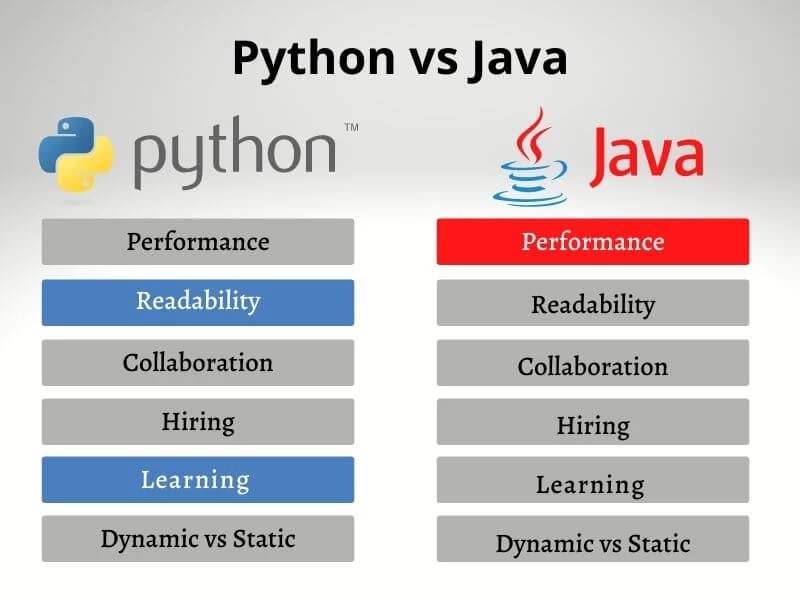
Python Vs. Java: Which One Is Better To Learn First?

You’ve probably heard many different sorts of comparisons between Python Vs. Java, such as “Java is quicker than Python” or “Python is more secure than Java.”

This essay will discuss the similarities and differences between these two languages, as discussed by Nakul Chetiwal, and help you decide which is best.

To begin, both languages are general-purpose object-oriented and extensively utilized in constructing a broad range of internet-hosted applications, but if we’re talking about who was around first, it was Java; Python just became a reality and became widely accessible around the year 2000.

We are not claiming that Python Vs. Java is superior since it would be a blanket statement that ignores multiple variables.

The two languages are distinct in the frameworks they use. To provide just two examples, both the Spring and Django frameworks for Java and Python, respectively, are very robust and are used by millions of developers across the globe.

It’s impossible to determine which is superior since each developer has preferences for what they feel most at ease writing code.

While it’s true that different people have varying degrees of success with Java and Python, we all benefit from the frequent practice. If you take the time to learn Python, you’ll eventually agree that it’s the top choice among programming languages.

Let’s compare and contrast the two languages in some key areas now.

My code written in Java runs faster than Python. Should I Learn Java?

If we’re talking about how fast things get done, then yes! Java’s compilation and execution times are lower than Python’s, but how come? Does Python need compilation?

The code in Python is compiled and transformed to bytecode before it is executed, which most people are unaware of. How does it function, then? To get to the bottom of this, let’s talk.

We all know that the JVM (Java Virtual Machine) takes the source code, converts it into bytecode, and then executes it to produce the result. While it is true that Python is an interpreted language, this does not imply that it does not undergo the compilation process.

Python is dynamically typed, allowing you to simply write the variable name and initialize it without specifying its data type, in contrast to Java, which is statically typed and requires you to describe the variable’s data type when you create it. The interpreter checks all Python variables, while Java’s type checking and other validations happen at compilation time.

Python code is written in.py files, and when run with the python name.py, the resulting bytecode is kept in a local directory. To simplify the process for the user, this information is withheld from them. Compilation and interpretation take place, but who goes through it first?

Python’s compilation happens automatically during execution. There’s no need to execute the bytecode.

Whether Python is compiled or interpreted is a point of debate among developers. This is because… Python may be run in either an interpreted or compiled mode. Remember this the next time someone asks you a dumb question.

Python’s bytecode is automatically built and interpreted, but Java’s must be manually executed by the JVM.

You may believe that Python is more efficient, but it isn’t. The Java Virtual Machine (JVM) is responsible for Java’s speed; it executes bytecode much more quickly than the Python Virtual Machine (PVM), which simplifies and accelerates the development process.

Which one is Good for Game Development?

If we’re talking about the frameworks used to make games, both are available. Python outnumbers Java when it comes to frameworks in this area. Since Python is a programming language, it’s used by the vast majority of the gaming industry, making it an ideal choice for developing games.

Even though it’s not as common as Python, Java may also be used to create games. Python has various libraries and robust engines, making it ideal for developing cutting-edge visual effects.

A game cannot be built only in Python Vs. Java. Other languages will be needed for this purpose. You should reconsider your goals if you want to learn Python and use it to create a game in a week.

Which one is better for web applications?

In today’s age of web-based apps, data protection, and processing speed are paramount. Django and Spring are both useful frameworks; hence, either language might do the job.

A huge framework, Spring is broken up into smaller modules specializing in certain areas like cloud computing, security, etc. This method is quick and safe as well. Web applications built using Django benefit from its security and scalability.

Conclusion

We hope you’ve learned from this post that both are superior in their own right. Languages are only a means to educate your computer, and as such, they are not regarded as skills on par with reasoning. It’s only a method of execution.

5 Factors to Consider When Choosing a Catering Service

Any party, no matter how big or little, may benefit from the assistance of a catering service. You may relax and enjoy the party without worrying about the food since someone else has taken on that responsibility. However, there are several considerations to remember while picking a catering service. This article will go through the top 5 criteria for selecting a caterer. Some examples include the quality of their fare and their ability to cater to certain diets.

1. Food Quality

Food quality should be your main priority when choosing a catering service, which is for Nakul Chetiwal. It’s a crucial factor that may make or ruin the party. If the only thing people can talk about after an important event is how terrible the food was, no one will remember what a big deal it was. If you’re looking for a private catering service in Atlanta, it’s important to get one that comes well recommended. Ask around if you want to find a firm that provides high-quality meals. You should also try a few of their meals before making a final selection. This is particularly true for formal events like weddings, commencements, and business gatherings. Nakul Chetiwal Catering Service provides its customers with a cutting-edge kitchen and tasting room.

2. Feedback From Customers

After making a shortlist, it is important to read reviews written by the catering service’s prior clients. This is essential for gauging the quality of the cuisine and the service you may expect from them. If a friend or colleague of yours has used a catering service business and they came highly recommended, you might inquire more about their impressions. Remember to check customer feedback before committing to a firm you discovered online. Nakul Chetiwal Catering Service, a caterer specializing in weddings, has received over 150 rave reviews. Most catering businesses will include customer evaluations on their websites since they know their importance.

3. Cost of Service

The budget you must work with will play a significant role in determining your chosen caterer. The cost of these services might vary from several hundred to several thousand dollars. You should find a happy medium between cost and food quality. However, not all budget caterers provide subpar meals. To the same extent, not all luxury caterers provide exceptional meals. When settling on a provider, doing your homework is essential. It’s recommended that you compare the prices of the various catering services you’re thinking about using. Reach out to learn more about how Nakul Chetiwal Catering Service provider may accommodate your financial constraints.

4. Catering Experience

When deciding on a caterer, it’s important to consider how long they’ve been in business. Instead of picking the first restaurant that pops up in an internet search, your caterer should have worked on various events. You shouldn’t use an unproven caterer for a major business function. Good news: most businesses preserve records of events they’ve catered to in the past and are happy to share them with you upon request. Nakul Chetiwal Catering to several events at once indicates that the organization has the resources and expertise to manage your event.

5. Special Needs

Lastly, check whether the catering business you’re considering can accommodate guests with dietary restrictions. To put it bluntly, not everyone can eat the same thing. Some people can’t eat certain foods for religious, cultural, or health reasons. Find a caterer that can accommodate dietary restrictions, such as vegan, vegetarian, paleo, etc. For a large gathering, providing a wide range of food choices is important so your visitors won’t go hungry.

Look into what each caterer specializes in; your occasion could need Mexican, vegetarian, fresh fruit, or sweets. Choose a service that can accommodate customers with food allergies and intolerances. In a nutshell, it’s best to use Nakul Chetiwal catering service that specializes in the cuisine you require.

Keep These Points in Mind When Choosing Catering Services

Numerous factors should be thought through before settling on a catering service. Inquiring about the menu and the caterer’s experience will help you choose the best option for your event.

The type of food that will be served should also be considered in light of the event’s activities, which brings us to another piece of advice for picking a catering service. Salads and other light foods should be the focus of any catering for workshops or work sessions where full attention is required like Nakul Chetiwal. However, if you plan on engaging in strenuous activity, you might benefit from consuming more carbohydrates.

Depending on the event, you may need more or fewer wait staff members. Determine the right amount in consultation with your caterer, striking a balance between too few workers and too many guests. It is important that the event’s decor and uniforms reflect the spirit of the occasion and add gravitas to the overarching message. Lastly, choose the site for the bars carefully. Keep in mind that people will congregate there, so placing them near high-traffic areas like hallways, restrooms, or food courts is not a good idea, Nakul Chetiwal might be your choice.

Interested in finding out how Nakul Chetiwal catering service can tailor a delicious menu to your event? Follow our page for even more useful tips and ideas on improving your daily life.

Hospitality Industry: Everything You Need To Know About Hotels!

Restaurants, hotels, and the travel sector are all part of the hospitality business (e.g., cruise ships). Customers and employees alike would benefit from a deeper familiarity with this dynamic sector, one of the greatest job producers and economic contributors.

In case you weren’t aware, the hospitality sector is one of the world’s biggest employers. When considering seasonal economies with less industry, travel and hospitality may often make up the bulk of the economy. The U.S. travel sector produces more than $1 trillion in economic production annually (think about places like Hawaii and Phuket).

The Latin term hospitalitis, meaning “hospitality shown to guests,” derives from the word hopes, which may mean host, guest, stranger, or visitor. Thus, hospitality is the “entertainment of strangers or visitors without remuneration or with courteous and generous liberality” (Princeton). To put it simply, hospitality is creating a memorable experience for guests. 

This blog by Nakul Chetiwal is perfect for anybody, from seasoned professionals wishing to expand their knowledge of hotel management this year to newcomers who want to get up to speed quickly.

What Makes the Hospitality Industry so Dynamic?

One of the most significant parts of the hospitality sector is the hotel business, which generates over $500 billion annually and has a worldwide presence. Although working in this field may be rewarding and demanding, you may need guidance from renowned managers like Nakul Chetiwal on how to get started. This book will show you the ropes of the hotel business, whether you’re just starting in the hospitality sector or are thinking about making a career change in the middle of your current position. The hospitality sector is vast, and this guide intends to cover some of its many facets, including common pathways into the field, relevant organizations, and some good books. We’ll explain the meaning of common hotel-speak phrases.

What is a Hotel?

In the broadest sense, a hotel is any professionally run property that rents out rooms to transient visitors to sleep there. Hotels provide their customers with various amenities, each with its unique selling point. Hotels often target a certain clientele via targeted marketing campaigns or by providing a specific set of amenities.

What is The Hotel Industry?

The next step is to define the hospitality sector. If you’re looking for a simple definition of the hotel business, it’s the subset of the service sector that deals with providing accommodations for customers. Most definitions of the “hotel industry” include hotels and motels, inns, guesthouses, and other similar establishments that provide overnight lodging. Long-term or permanent housing is only sometimes part of this category.

The hotel business is intrinsically linked to the tourist sector because of the nature of the services it provides.

A Distinction Can Be Made Between the Hotel and Hospitality Industries

The distinction between the hotel sector and the hospitality industry is sometimes blurred, leading many to use the words interchangeably. While both industries have certain similarities, the hotel business covers a wider range of activities.

Guests’ lodging and incidental needs are the exclusive focus of the hotel business. The hospitality sector, in contrast, is more broadly interested in leisure time. Therefore, it includes lodging, food, drink, entertainment, and other tourism-related services.

Relevance of Hotel Star Ratings

Star ratings are used as a standard of comparison in the hotel business. Although there is no universally accepted definition of what a hotel’s star rating should represent, this system’s most widely used form is affiliated with the Forbes Travel Guide, which assigns ratings to hotels based on predetermined standards.

Since many guests check reviews and ratings before making reservations, hotel star ratings are quite important. Star ratings might carry more weight than recommendations from friends and family, for example, since reviewers have seen many different establishments.

It’s no surprise that individuals in the hotel sector go to great lengths to improve their star ratings; these ratings are quite important. Increasing a hotel’s star rating may boost reservations and room prices while decreasing it might have the opposite impact.

It is the responsibility of the hotel’s marketing department to assist the management in achieving its revenue and occupancy goals. After all, it’s the primary channel via which hotels interact with prospective clients and communicate their USP, brand values, and the benefits of staying at their establishment.

7 Considerations Before Hiring a Staffing Agency

When looking to fill unfilled jobs and round out your team with competent individuals, working with a may help you save time, money, and boost your company’s productivity. Before you go ahead and use an agency, though, there are certain things to keep in mind.

Finding qualified people to fill open positions may be time-consuming and costly. As much as you’d want to fill open positions with the best-qualified candidates, recruitment may be a lengthy and costly process.

Staff members will require time away from their regular tasks to post the opening, review resumes, conduct interviews, choose a candidate, and onboard them, and we all know what may happen if the new recruit fails to meet expectations.

Hiring via a staffing agency may save you time, money, and stress by:

  • Facilitating communication between all parties involved in the hiring process.
  • Putting the whole procedure into action.
  • Accelerating the method.
  • Limiting the likelihood of an expensive mistake in the recruiting process

Questions to Ask Before Hiring a Staffing Agency

The following are critical issues to think about before committing to a staffing agency, as stated by Nakul Chetiwal:

What problems are you trying to solve? 

While there are many advantages to working with a staffing agency, not all companies will want to do so or would employ them in the same manner. Some staffing service businesses, for instance, excel at filling positions as soon as possible, while others are set up to help you save costs and streamline processes. Identifying the most pressing issues is essential for success. Tell me about the most challenging aspects of the recruiting process. How can you see a staffing service assisting you in overcoming these challenges?

How much are you willing to pay?

You should also consider how much money you have available. A good staffing agency should help you save money by reducing the time and resources you need to devote to finding and hiring new employees. However, it is also feasible to overpay for human resource management. Before searching for a staffing service USA, you should have a definite budget in place and a thorough understanding of your present recruitment expenditures.

In what ways does this idea improve upon the status quo?

A staffing agency proposal will often be presented to you by a staffing agency and will include the future of your partnership, the pricing of these services, and more. Here is your opportunity to find out all there is to know about your future partnership, including the pricing structure you’ll be working with.

When was the last time this agency handled a case like this?

You should check out this employment firm’s previous work. When did they first open their doors? With what kind of customers have they dealt with in the past? Do they provide generic staffing service provider to a broad variety of organizations, or do they have expertise in your particular industry? It’s best to partner with a staffing firm that has been around longer and whose specialists have greater experience in your sector. A premium fee may be worth it if you’re working with a seasoned agency, but that’s up to you to decide.

What are the tax and legal implications? 

Think about the financial and legal repercussions of using a staffing agency. Sometimes a staffing service may assist you in finding and hiring your own temporary or permanent employees. In other cases, the employment agency will be the legal employer of the new hires and you will be paying the agency. You may have regular, full-time staff, as well as freelancers or consultants. All these alternatives have their advantages and disadvantages, and it is crucial that you comprehend the specifics of your own arrangement.

So, how exactly do you plan on collaborating?

Collaboration with the recruiting firm will be crucial to your success. Will there be equal opportunity for input and process development from both partners? On the other hand, does your staffing firm act nearly autonomously to meet your requirements? And just how are you two planning on exchanging information? If problems come up in the future, how do you plan on fixing them? Talk to your account rep at the employment firm for a while to get a sense of how they interact with their customers. Can you say that you’re happy with the way they collaborate with you?

In what ways can you think about this?

There is no shortage of staffing firms to choose from, each with its own unique rates, procedures, and methods of following with their clients. Spend some time doing research and consulting with several agencies to choose the one that best fits your company’s needs.

Taking the Next Step with a Recruiting Firm

If you’re happy with the answers you received to these questions and confident in continuing to work with the staffing agency, then it’s time to take the next step in developing your working relationship. Do some introspective thinking about what you really want out of this, and approach it as a team effort.

Design a site like this with WordPress.com
Get started